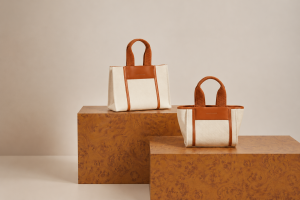
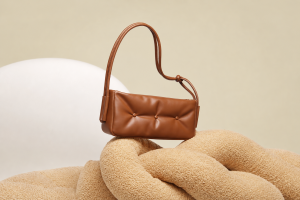
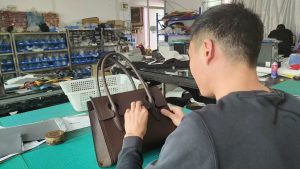
This guide explains how custom handbags are made, from the initial design brief to the finished bag. The process includes choosing materials, developing a pattern and sample, preparing components, sewing, and checking the final product.
Understanding these steps helps you communicate your requirements clearly and catch potential issues before bulk production begins.
Share Your Design Brief
You do not need a finished technical drawing to start a conversation with a manufacturer. Sketches and reference photos are useful if you explain what you want from them.
Include the bag’s intended use, approximate dimensions, materials, colors, pocket layout, strap type, closure, and logo position. If you already have packaging requirements, include those too. Mark anything that has not been decided yet so it can be discussed during sampling.
Choose Materials and Components
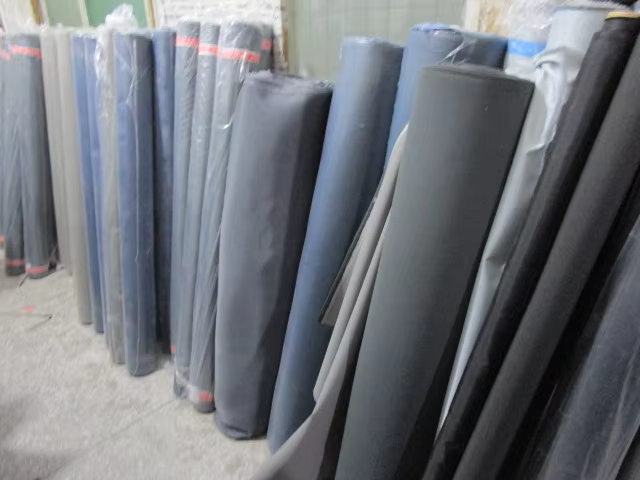
The outer material determines much of the bag’s appearance, but it is not the only choice. The lining, zipper, buckles, clasps, handles, and reinforcement also affect how the bag looks and works.
A material or hardware sample is helpful when color and finish matter. If you do not have one, photos and a description of the result you want give the manufacturer a starting point for discussing options.
Make and Review a Sample
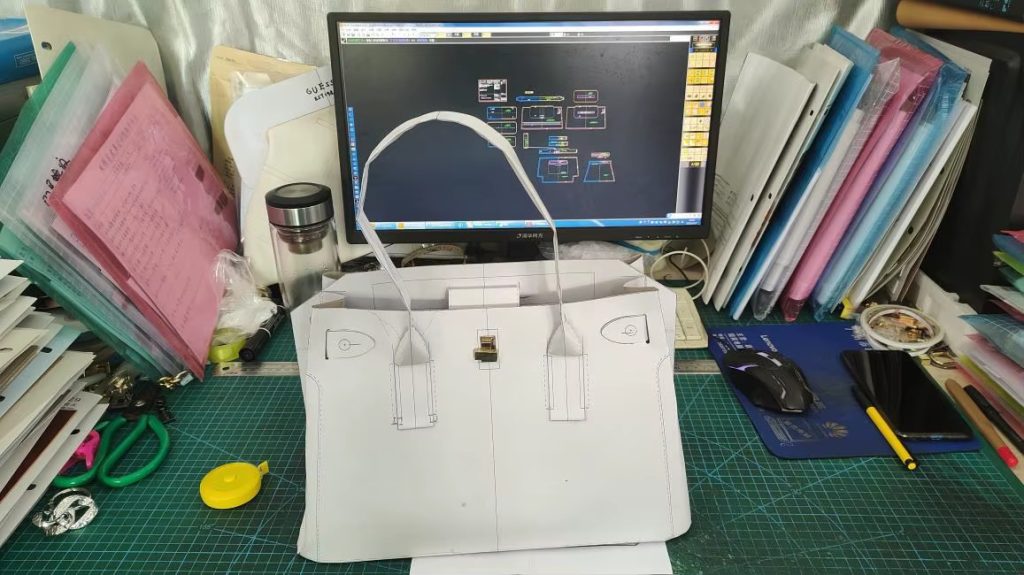
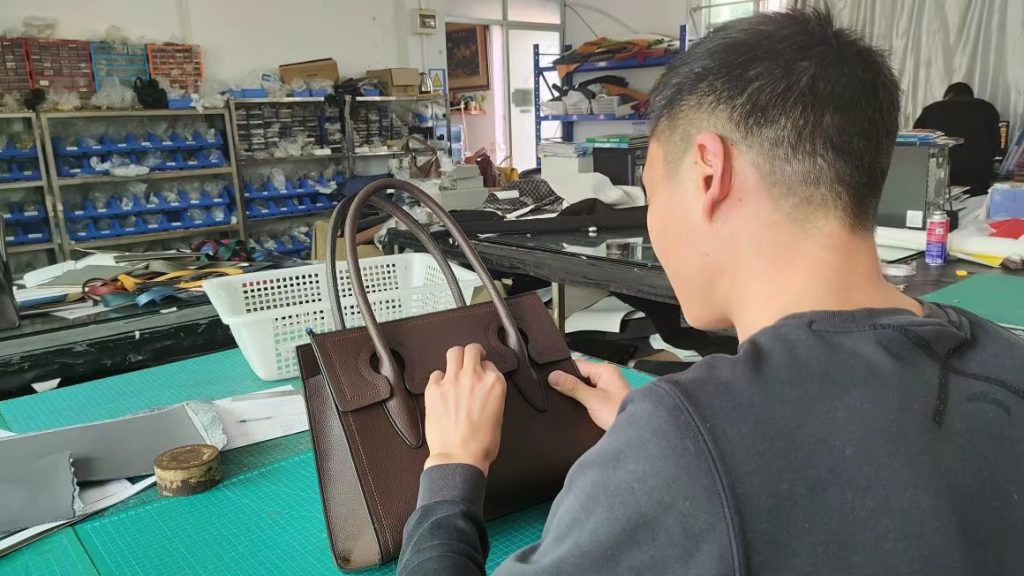
A pattern is prepared from the agreed dimensions and design. The parts are then cut and assembled into a sample so you can see the bag in person.
Check more than its appearance. Measure it, open and close it, adjust the strap, and put the intended items inside. Look at the stitching, pockets, hardware, and overall shape. Send a specific list of changes, such as “make the inside pocket wider” or “move the logo lower.”
The revised sample and its specifications should be confirmed before production.
Prepare and Assemble the Bags
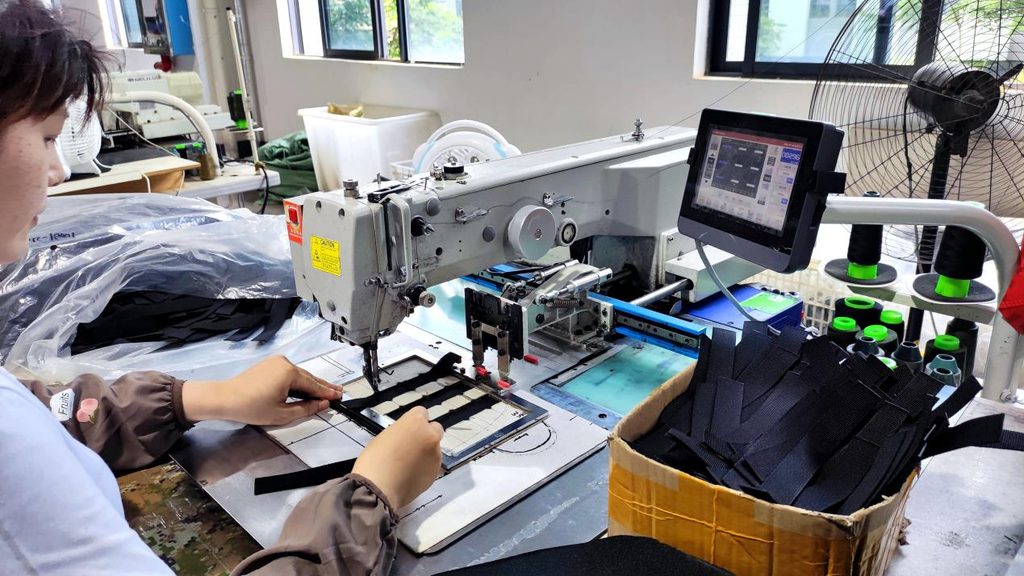
Once the sample is approved, the production materials and components are prepared. Depending on the design, the work may include cutting the outer material and lining, preparing edges, sewing pockets and straps, fitting closures and hardware, and assembling the bag.
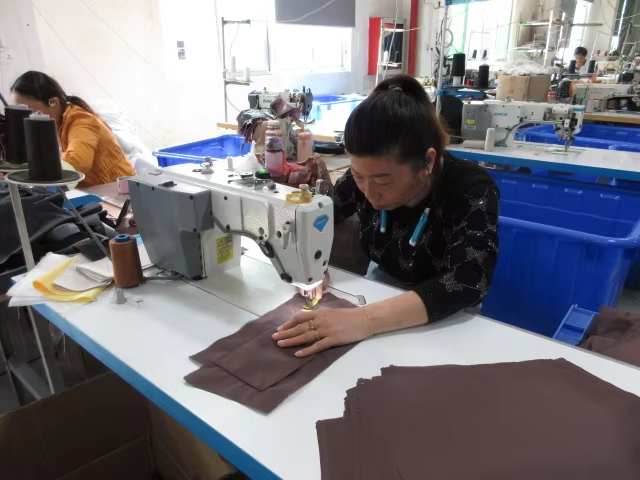
The exact order and methods depend on the bag’s construction. A simple tote and a structured handbag will not follow identical steps.
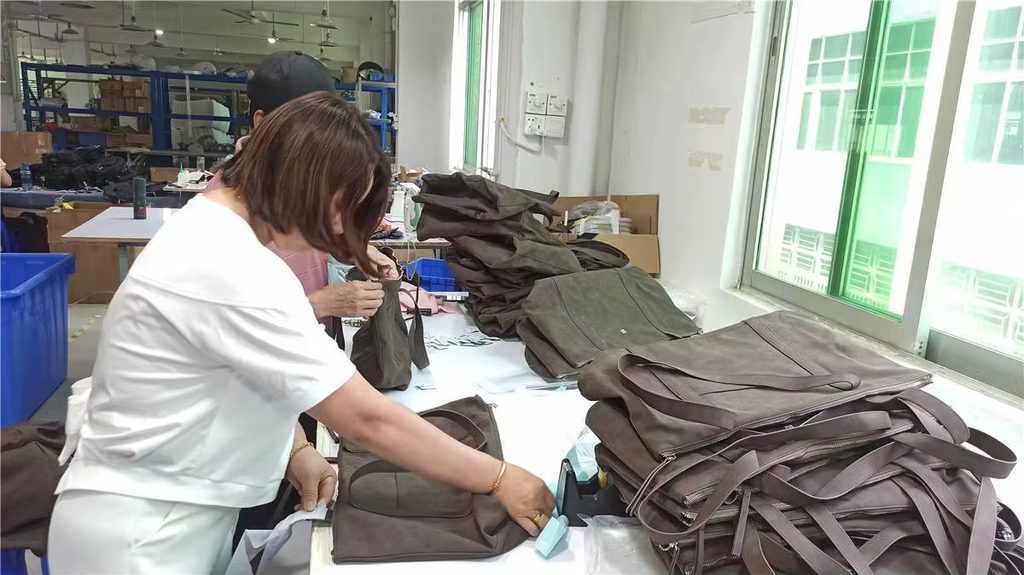
Check the Finished Bags
Finished bags should be checked against the approved sample and agreed specifications. Points to review include dimensions, color, stitching, hardware, logo placement, and whether the zippers and closures work properly.
Packaging should also match the agreed requirements so the bags are protected during shipping.
Planning a New Collection?
Mingye’s minimum order quantity starts at 50 pieces. If you are planning your first collection, send us your design references, preferred materials, and expected quantity. We can discuss the details needed for sampling and a quotation.