PU leather is a leather-like material with a polyurethane surface. For handbags, it is commonly made by applying a PU layer to a fabric backing. That surface can be smooth, pebbled, or embossed, so two materials both called “PU leather” may look and feel very different.
The name alone does not tell you how a material will perform in a finished bag. Before choosing one, it helps to understand its layers and check a physical swatch.
What Is PU Leather Made Of?
PU stands for polyurethane. A typical synthetic PU leather has a textile backing and a polyurethane coating that creates its color and surface texture. Manufacturers can use different backings, coating methods, and finishes, which is why PU materials vary in softness, thickness, and appearance.
Check the material specification rather than relying only on the name. Some products described as PU leather have a leather base beneath the coating. If your brand needs an animal-free material, ask the supplier to confirm the composition of both the surface and the backing.
Why Is PU Used for Handbags?
PU gives designers a wide choice of colors and surface finishes. A smooth finish may suit a structured bag, while a softer, more flexible material may work better for a slouchy style. An embossed surface can create a particular grain or pattern.
The right choice depends on the design, not just the material name. A PU that looks good as a flat swatch may behave differently once it is folded around a corner, stitched into a handle, or used on a large bag panel.
What Should You Check Before Choosing a PU Material?
Start with the bag you want to make. Will it need to hold a firm shape, or should it drape softly? Where will the material bend or rub during everyday use?
When reviewing swatches, check:
- Surface: Is the color and texture consistent with your design?
- Feel: Is the material too stiff or too soft for the bag shape?
- Backing: What sits underneath the PU coating?
- Thickness: Will it work with the seams, edges, and construction you want?
- Availability: Can the same material and color be sourced for the planned order?
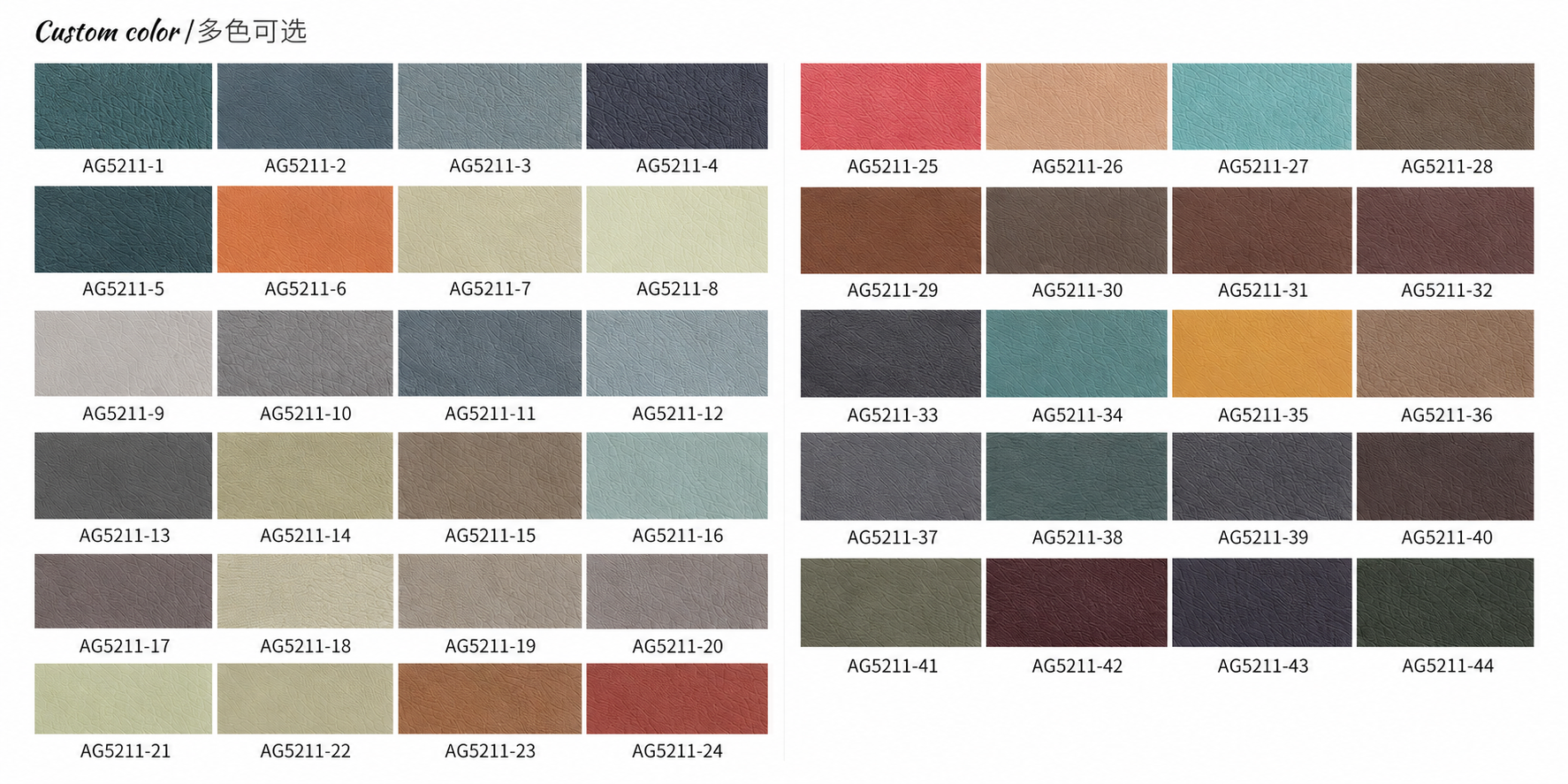
Material swatches show how color and grain can vary. Confirm the exact composition and availability with physical samples before production.
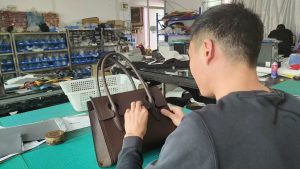
A swatch helps you narrow the options. A finished sample lets you judge how the material actually works on your bag.
Does PU Leather Peel?
A PU coating can peel, crack, or wear over time, but it is not accurate to say that every PU material will do so at the same rate. The coating, backing, construction, storage conditions, and way the bag is used all matter.
Pay particular attention to handles, corners, openings, and other areas that bend or receive frequent contact. If your brand has specific durability requirements, discuss appropriate material tests with the supplier before approving bulk production.
Is PU Leather Real Leather or Vegan Leather?
A fully synthetic PU material is not real leather. It can be suitable for a vegan handbag, but you should verify its backing rather than assume every product sold as “PU leather” is animal-free.
Also check the rest of the bag. Even if the outer material is synthetic, a claim about the whole handbag should account for its lining, trims, adhesives, and other components. “Vegan” describes the absence of animal-derived materials; it does not, by itself, mean that a bag is environmentally sustainable.
Choose the Material on a Finished Sample
Photos are useful for showing the look you want, but they cannot show how a material feels or behaves during construction. Send your manufacturer reference images along with the intended bag shape, dimensions, colors, and quantity. Then compare suitable swatches and approve a sample made with the selected material.
At Mingye, we can discuss available PU options against your design before confirming the material for production. If you have a particular color or finish in mind, send us a reference so we can check what is available and what may need to be sourced.