When choosing material for a handbag, the names can get confusing. Real leather comes from animal hide. Vegan leather is a broader term for leather-like materials made without animal-derived components. PU leather is one common example—but not every material sold as “PU leather” is automatically suitable for a fully vegan bag.
For a brand developing a handbag, the best choice depends on the design, the feel you want, your target price, and the actual material available for sampling.
Real leather and PU leather at a glance
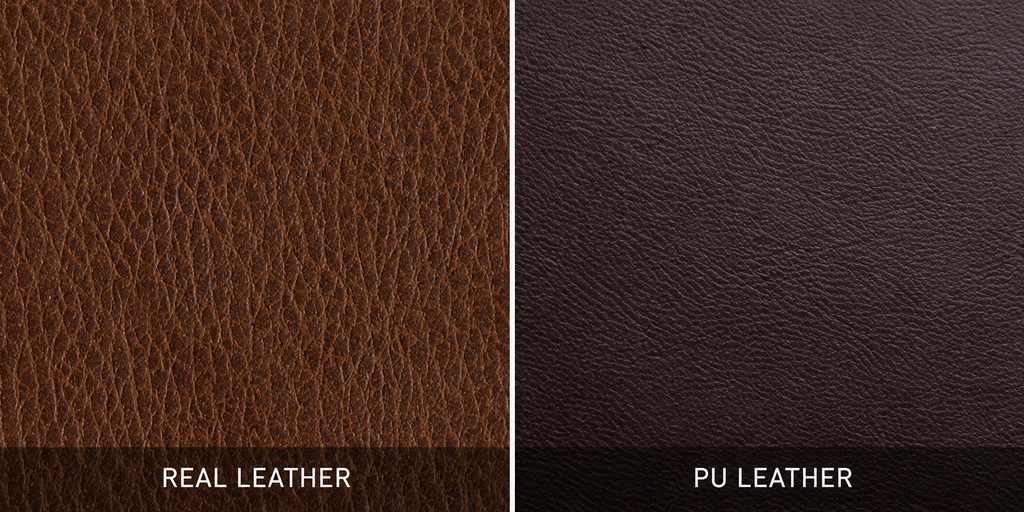
Illustrative material samples. Color and grain vary by material and finish; appearance alone cannot confirm composition.
| Real leather | PU leather | |
|---|---|---|
| What it is | Material made from animal hide | Leather-like material with a polyurethane surface or coating |
| Appearance | Natural variation between hides and panels | A wide choice of colors, grains, and finishes |
| Consistency | Color and grain may need careful matching | The selected finish can often be repeated more consistently |
| What to check in a sample | Hide marks, panel matching, thickness, and finish | Surface feel, backing, folds, edges, and high-contact areas |
| Price | Depends on the leather grade, usable area, and bag design | Depends on the specific PU material, backing, finish, and bag design |
This table is a starting point, not a quality ranking. There are many grades of leather and PU. A material name alone cannot tell you how a finished bag will look or perform.
Is PU leather vegan?
PU refers to polyurethane. A PU-coated material may be vegan if it contains no animal-derived components. But check what sits underneath the coating: some products described as PU leather may include a leather base. If your brand wants to describe the whole handbag as vegan, also check the lining, glue, trims, and other components.
“Vegan leather” does not mean “plant-based leather.” Many vegan leather materials contain plastics. It also does not automatically mean “eco-friendly.” Environmental claims should be specific and supported, rather than based on the word vegan alone. FTC guidance on leather-like material descriptions; FTC guidance on environmental claims.
How do they look and feel in a handbag?
Real leather can show differences in grain and color from one part of a hide to another. Some brands want that natural character. If the design calls for a very even appearance, the leather panels need to be selected and matched with that in mind.
PU offers many surface effects, from smooth to embossed or pebbled. It can be useful when a collection needs a particular color or a consistent-looking finish. But two PU swatches that look similar in a photo may feel different in hand or behave differently when folded and stitched.
That is why we would not make a material decision from an online image alone. Compare physical swatches, then check how the chosen material works in a finished sample.
What about durability and care?
Neither “real leather” nor “PU leather” guarantees a particular lifespan. The result depends on the material grade, coating or finish, bag construction, and how the bag is used and cared for.
During sampling, look closely at the places that take the most wear: handles, strap attachments, corners, openings, and folded edges. Handle the sample as a customer would. Open and close it, carry it, and see whether the material, shape, and finish still meet your expectations. Ask for care guidance for the specific material selected, rather than relying on a general rule for all leather or all PU.
How should a brand choose?
Start with the handbag itself. What shape should it hold? Should the surface look natural or uniform? How should it feel in the customer’s hand? What price range are you designing for?
Then send the manufacturer a reference image and your requirements for size, color, material, logo, and estimated quantity. Request suitable swatches and approve a sample before confirming bulk production. If you are comparing a real-leather option with a PU option, keep the bag’s other specifications the same so you can judge the material and price difference fairly.
The right material is the one that works for your design after you have seen and handled the sample—not simply the one with the more appealing label.